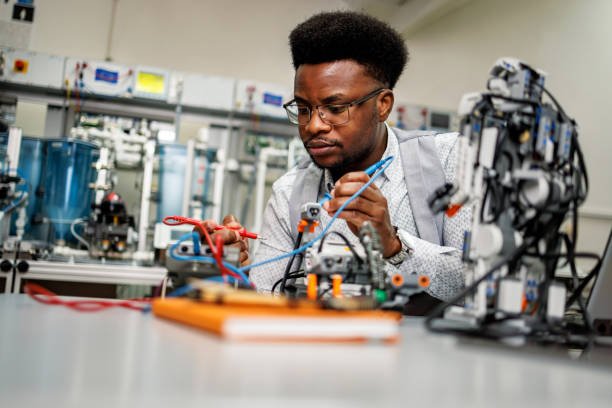
Mechatronics engineering sits at the intersection of mechanical systems, electronics, control systems, and robotics.
In 2026, it remains one of the strongest engineering paths for automation, robotics design, and smart manufacturing careers.
Salaries are high compared to many engineering fields because companies need engineers who can work across hardware and software systems.
How much do mechatronics engineers earn in 2026?
Mechatronics engineers earn strong salaries, especially in countries with advanced manufacturing and robotics industries.
In the United States, the average salary is about $113,561 per year according to Salary.com data.
Most engineers earn between $103,462 and $124,499 annually, depending on experience and specialization.
Total pay ranges can stretch from about $94,000 up to $134,000, with higher roles going beyond this.
Other salary datasets show broader ranges from about $104,000 to $172,000 when bonuses and advanced roles are included.
What is the entry level salary for mechatronics engineers?
Entry level mechatronics engineers usually start with strong pay compared to many other graduate roles.
Most beginners earn around $90,000 to $105,000 per year in the United States.
Some early roles in robotics or automation can start slightly lower depending on company size and location.
In high demand regions, entry salaries can still exceed $100,000 when robotics skills are strong.
This early pay reflects the technical difficulty of the field and the demand for automation talent.
How does experience affect mechatronics engineering salary?
Experience has a direct effect on earnings in robotics and mechatronics roles.
- Entry level engineers earn about $90,000 to $105,000 per year.
- Mid level engineers earn about $105,000 to $115,000 per year.
- Senior engineers earn about $110,000 to $130,000 per year.
- Specialist roles in robotics and automation can reach $130,000 to $170,000.
- High level experts in robotics software, AI systems, or advanced control can go beyond this range.
Career growth is steady, especially when moving into robotics engineering or systems design roles.
How does mechatronics compare to robotics engineering pay?
Mechatronics and robotics salaries overlap because the careers are closely linked.
Robotics-focused roles often pay slightly higher when software skills like machine learning and computer vision are included.
Mechatronics roles focus more on system integration, hardware design, and automation systems.
Robotics engineers may earn higher compensation in tech companies due to software-heavy work.
Both paths can lead to similar salary levels when experience and skills are strong.
Which industries pay mechatronics engineers the most?
Mechatronics engineers work in several high-paying industries.
Automation and manufacturing companies pay well due to production system optimization.
Technology companies also offer high salaries for robotics and embedded systems roles.
Aerospace and automotive industries provide strong pay for control systems and design work.
Medical robotics and defense sectors also offer competitive salaries due to advanced technical requirements.
What skills increase mechatronics engineering salary in 2026?
Certain skills increase earning potential in this field.
- Robotics programming using Python and C++
- Control systems design and automation
- Embedded systems development
- Machine learning for robotics applications
- CAD and mechanical design tools
Engineers who combine hardware knowledge with software and AI skills earn higher pay in robotics roles.
Is mechatronics engineering a high paying career in 2026?
Mechatronics engineering remains a high paying and fast-growing career in 2026.
It benefits from the rise of automation, robotics, and smart manufacturing systems across industries.
Salaries grow steadily with experience, especially when moving into robotics or systems engineering roles.
The combination of mechanical, electrical, and software skills makes mechatronics engineers valuable across global tech-driven industries.