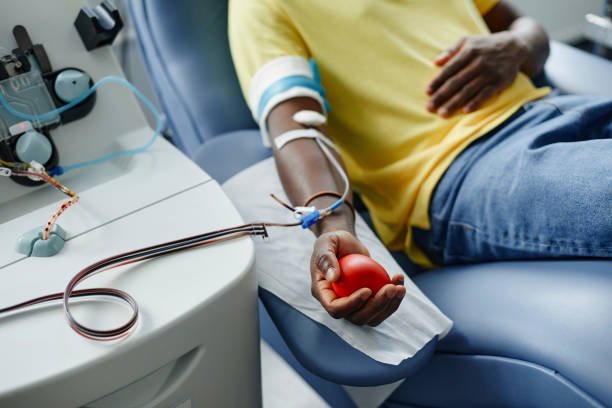
Phlebotomists work in clinics, hospitals, and laboratories where they collect blood samples for testing, donation, and diagnosis.
It is a healthcare support role that requires accuracy, patient care skills, and formal training.
In 2026, salaries in South Africa remain modest but stable, with variation based on experience, employer type, and location.
What is the average phlebotomy salary in South Africa in 2026?
The average phlebotomy salary in South Africa in 2026 is about R11,000 per month.
Some datasets show a wider national average of around R18,000 per month when including benefits and higher earners.
A more typical mid range estimate places monthly pay around R19,000 for experienced workers.
This difference happens because salaries vary between private laboratories, public hospitals, and training roles.
Most phlebotomists fall within a broad monthly range rather than a fixed figure.
How much do entry level phlebotomists earn?
Entry level phlebotomists earn lower salaries while completing training or gaining field experience.
New workers usually start around R9,200 to R15,000 per month depending on the employer.
Some structured training programmes may offer salaries closer to R12,000 per month during early employment phases.
Annual entry level earnings are often around R150,000 to R240,000.
These roles are often based in hospital labs or diagnostic centres where supervision is strong.
What do experienced phlebotomists earn in 2026?
Experienced phlebotomists earn higher salaries due to speed, accuracy, and independence in handling patients.
Mid level workers usually earn between R15,000 and R22,000 per month.
More experienced professionals can reach around R24,000 to R29,000 per month in higher paying roles.
Top earners in specialised or senior positions fall within this upper band.
These roles often include supervision of junior staff or work in high demand laboratories.
Which workplaces pay phlebotomists the most?
Pay depends heavily on where the phlebotomist works.
Private pathology labs often pay more than public hospitals.
Large diagnostic companies and urban medical centres also offer higher salaries.
Hospital-based roles tend to have more stable pay but lower maximum earnings.
Some training-linked roles may start lower but increase after certification and placement.
Location also matters, with major cities usually paying more due to higher patient volume.
What factors affect phlebotomy salaries the most?
Several real world factors influence how much phlebotomists earn each month.
The main ones include:
- Experience level and training status
- Type of employer such as hospital or private lab
- Location within South Africa
- Shift work and overtime availability
- Certification and technical skills
More skilled workers who handle high volume or specialised testing earn more.
Night shifts and weekend work can also increase monthly income.
Is phlebotomy a high paying healthcare job?
Phlebotomy is not one of the highest paying healthcare roles, but it offers stable income and job security.
It pays less than nursing or medical technology roles, but training time is shorter.
Entry into the field can happen within months of study and certification.
Salary growth is steady rather than fast, especially in public healthcare settings.
The role is often used as a stepping stone into broader medical laboratory careers.
Are phlebotomy salaries increasing in 2026?
Phlebotomy salaries are increasing slowly due to growing demand for diagnostic testing.
More patients and expanded laboratory services have increased workload across healthcare facilities.
Private labs are offering slightly higher wages to attract trained staff.
However, salary growth remains limited compared to more specialised medical roles.
Most increases come from experience, overtime, and moving into senior positions rather than major pay jumps.