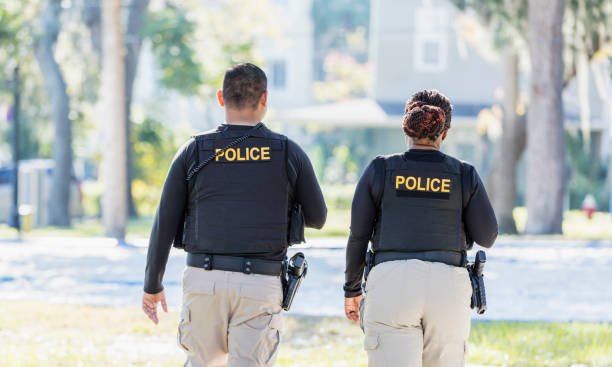
Metro Police officers in South Africa work in law enforcement at municipal level, focusing on traffic control, by-law enforcement, and crime prevention in cities.
In 2026, salaries vary based on city, rank, and experience, with structured pay scales that include allowances and overtime benefits.
The role is closely linked to traffic policing, and in many municipalities, officers are trained first as traffic officers before moving into metro policing duties.
What is the salary of a Metro Police officer in 2026?
Metro Police salaries in South Africa generally fall within a wide range depending on rank and municipality.
Entry level metro police officers earn around R9,700 per month in some city trainee programs.
More established officers earn between R8,550 and R29,600 per month, depending on experience and allowances.
Senior metro police roles in major cities can exceed R40,000 per month when allowances and overtime are included.
Some specialized units, such as VIP protection divisions, can earn much higher packages, reaching over R80,000 per month in rare cases.
How much do traffic officers earn compared to metro police?
Traffic officers and metro police officers often fall under similar law enforcement structures, but pay differs slightly depending on responsibility.
In 2026, traffic officers in South Africa earn between R16,000 and R42,000 per month depending on rank and province.
Entry level traffic officers usually start around R16,000 to R20,000 per month.
Metro police salaries can start lower during training but increase faster once officers move into active enforcement roles.
This difference comes from metro police having broader duties, including crime prevention and by-law enforcement.
What is the entry level salary for metro police officers?
Entry level metro police officers usually begin as trainees before full appointment.
Training stipends or learnership payments can be around R34 to R36 per hour in structured programs.
Once permanently appointed, entry level officers may earn around R9,000 to R12,000 per month depending on municipality.
This stage focuses on physical training, law enforcement education, and field preparation.
How does experience affect metro police salary?
Salary increases in metro policing follow experience and rank progression.
- Trainees earn stipend-based pay during training.
- Entry level officers earn lower fixed monthly salaries.
- Mid level officers earn moderate monthly income with allowances.
- Senior officers earn higher pay with supervisory duties.
- Specialized units and leadership roles earn the highest municipal law enforcement salaries.
Overtime, night duty, and holiday shifts also increase total monthly income.
What benefits do metro police officers receive?
Metro police officers receive benefits in addition to salary.
These often include pension contributions, medical aid support, and housing or transport allowances depending on municipality.
Uniforms, equipment, and operational tools are usually provided by the employer.
Overtime pay is also common due to shift work and emergency response duties.
These benefits increase total compensation beyond base salary figures.
Which cities pay metro police officers the most?
Salary levels depend heavily on the municipality.
Large metropolitan cities such as Johannesburg, Cape Town, and Ekurhuleni generally offer higher pay due to larger budgets and operational demands.
Smaller municipalities often pay lower salaries but may offer fewer operational pressures.
Senior units in major cities tend to earn the highest total compensation packages.
Is metro policing a good career in 2026?
Metro policing remains a stable public sector career with structured pay growth.
It offers job security, pension benefits, and clear promotion pathways into senior law enforcement roles.
Salary growth depends on experience, discipline, and movement into specialized units.
The role is demanding, but it remains a consistent employment option within South Africa’s public safety system.